Lost & found
Lost dog? What to do in the first hour, day and week
Your dog is missing. Here's exactly what to do in the first hour, the first day and the days after, including who to call in the UK and how to search effectively.
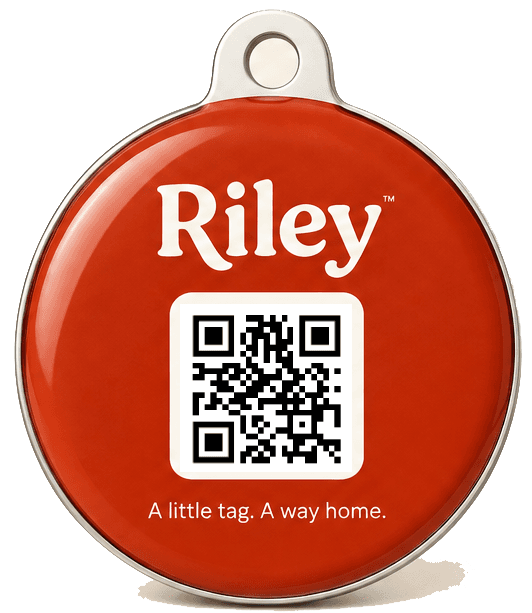
Turn on lost mode in Riley if they wear a Riley Tag, search close by first, and call your local council, vets and microchip database. Then read on.
- Search the immediate area first, calmly. Most lost dogs are found close to where they went missing.
- Report your dog missing to your microchip database, your local council's dog warden, local vets and rescues.
- Mark your dog as missing in Riley so anyone who scans their Riley Tag sees it.
- Don't chase a frightened dog if you spot them. Sit down, stay calm and let them come to you.
The first hour
Act straight away. The first hour is when your dog is most likely to be close by.
- Go back to where they were last seen. Walk the area slowly, calling their name in a calm, happy voice. Shouting can push a frightened dog further away.
- Bring something they love. A favourite squeaky toy, a treat bag they recognise, or another dog they're bonded with can draw them out.
- Send someone home. Many dogs find their own way back. Ask someone to wait at home with the door open to the garden (and the garden gate closed).
- Mark your dog as missing in Riley. Turn on lost mode, add the area they were last seen and a short message. Anyone who scans their Riley Tag will see it immediately.
- Check the obvious hiding places. Sheds, garages, under cars, dense hedges and building sites. Frightened dogs often hide and go quiet.
If you see your dog, don't chase. A scared dog in flight mode may not recognise you. Crouch down side-on, avoid eye contact, speak softly and toss treats on the ground. Let them come to you.
The first few hours
If your dog hasn't turned up, widen the net.
- Call your local council. In England, Scotland and Wales, councils are responsible for stray dogs. Ask for the dog warden service, give your dog's description and microchip number, and ask whether any dogs have been picked up.
- Report them missing to your microchip database. Most databases let you flag a dog as missing, so if they're scanned at a vet or rescue, staff can see that you're looking.
- Ring local vets, rescues and kennels. Finders often take dogs straight to the nearest vet to be scanned. Call every practice within a few miles, including out-of-hours emergency vets.
- Post on local groups. Community social media groups and national lost-dog registers can spread the word fast. Include a clear photo, the area and time they were last seen, and how to reach you.
The first day
- Put up posters at junctions, parks, vets, pet shops and noticeboards. Our free lost pet poster maker creates a printable A4 poster in a minute.
- Search at dawn and dusk. These are quieter times when nervous dogs are more likely to move.
- Leave a scent trail. Some owners leave an unwashed item of clothing or your dog's bed where they went missing.
- Keep your phone charged and nearby. Riley sends you a notification when someone scans your dog's tag or sends you a message.
If you think your dog was stolen
Report it to the police straight away on 101 (or 999 if a crime is in progress) and ask for a crime reference number. Tell your microchip database your dog may have been stolen, and let local vets know. Keep records that prove ownership, such as your microchip registration, vet records, and photos of you with your dog, together in Riley.
The days after
Keep going. Dogs are sometimes found days or weeks later, a long way from home.
- Call the council dog warden and local rescues every day; staff change shifts and not every dog is logged straight away.
- Re-share your posts on local groups, and update them with any sightings.
- Revisit the places your dog knows well: favourite walks, a previous home, or a friend's house.
When your dog is home
Check them over for injuries, cuts and ticks, and book a vet check if anything seems wrong. Then let everyone know: the council, your microchip database, vets, rescues and the groups you posted in. Turn off lost mode in Riley and take your posters down.
Finally, think about what helped and what didn't. If your dog got out through a gap, fix it. If they slipped their collar, check the fit. And make sure their ID is right: an engraved tag with your name and address (a legal requirement in public), an up-to-date microchip, and a Riley Tag so the next finder can reach you in seconds.
Frequently asked questions
How far can a lost dog travel?
It depends on the dog and how frightened they are. Many are found close to home, but a scared dog in flight mode can cover several miles. Search close by first, then widen the area.
Who do I report a lost dog to in the UK?
Your local council's dog warden service, your microchip database, local vets and rescue centres. If you believe your dog was stolen, report it to the police on 101.
Should I offer a reward?
Some owners do. If you offer one, keep a distinguishing detail off your posters so you can check that callers really have your dog, and never send money before your dog is safely back.
This guide is general information for UK pet owners and isn’t legal or veterinary advice. Laws differ across the UK nations and can change. For medical concerns, contact your vet.